
Excessive Force
In New Jersey, the Federal and State laws protect a person’s Constitutional right against the use of excessive force by law enforcement officers.

Is This You?
Does This Sound Like You?
- You were hit, kicked, tased or pepper-sprayed when you were not a threat
- You were hurt after you were already handcuffed or on the ground
- An officer used a weapon on you although you were unarmed
- You needed medical treatment after a stop or an arrest
Your Constitutional Rights
What Counts as Excessive Force
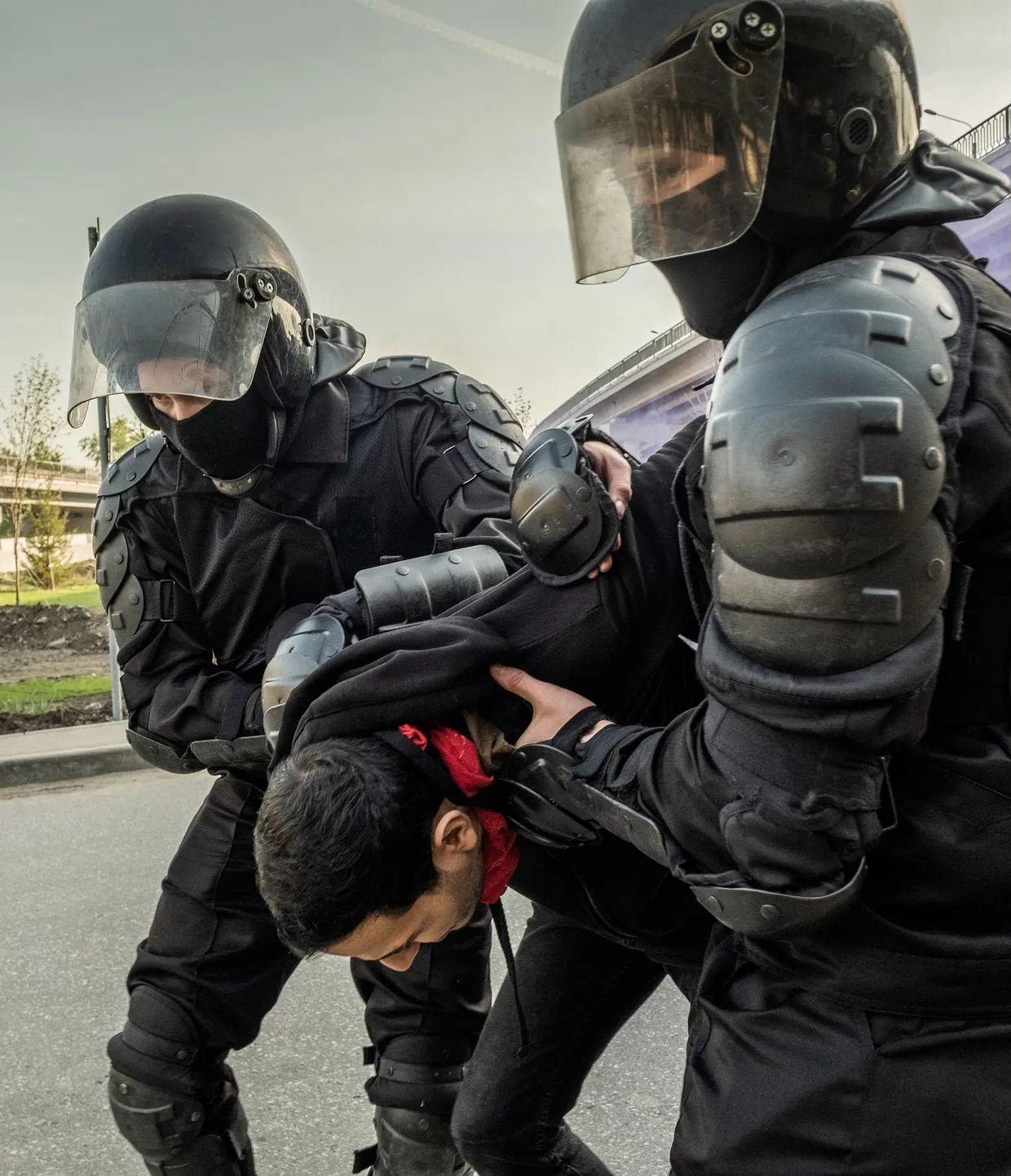
In New Jersey, the Federal and State laws protect a person’s Constitutional right against the use of excessive force by law enforcement officers. The term “excessive force” is best defined as the use of force which is greater than that which would which a reasonable and properly trained officer would use under similar circumstances.
Generally, our law requires that officers use the minimum amount of force required to achieve their objective or ensure their safety.
The law allows police officers to use the force needed to make an arrest or to defend themselves - and expects them to use good judgment about how much force a moment calls for, even in the heat of it. How much force is allowed depends on the circumstances of the arrest, such as:
- The severity of the alleged crime
- Whether the person poses a direct threat
- Whether the person is resisting arrest
Under the Civil Rights Act of 1871 (42 U.S.C. 1983), people have the right to be free from violations of their constitutional rights by government officials. Using more force than is reasonably necessary violates the Fourth Amendment, which protects people from unreasonable searches and seizures.
When Your Rights Are Violated
The Continuum of Force
Most agencies train their officers to always attempt to use no force before making a leap up the continuum:
Verbal and Physical Restraint
The basic level of the continuum — verbal commands and hands-on restraint, used before any weapon is drawn.
Less Lethal Force
Blunt impact (baton) and chemical spray (pepper spray).
Lethal Force
Discharging a firearm — the top of the continuum, and the last resort.
Generally, our law requires that officers use the minimum amount of force required to achieve their objective or ensure their safety.
Assessing What Happened
When Training Gives Way in the Moment
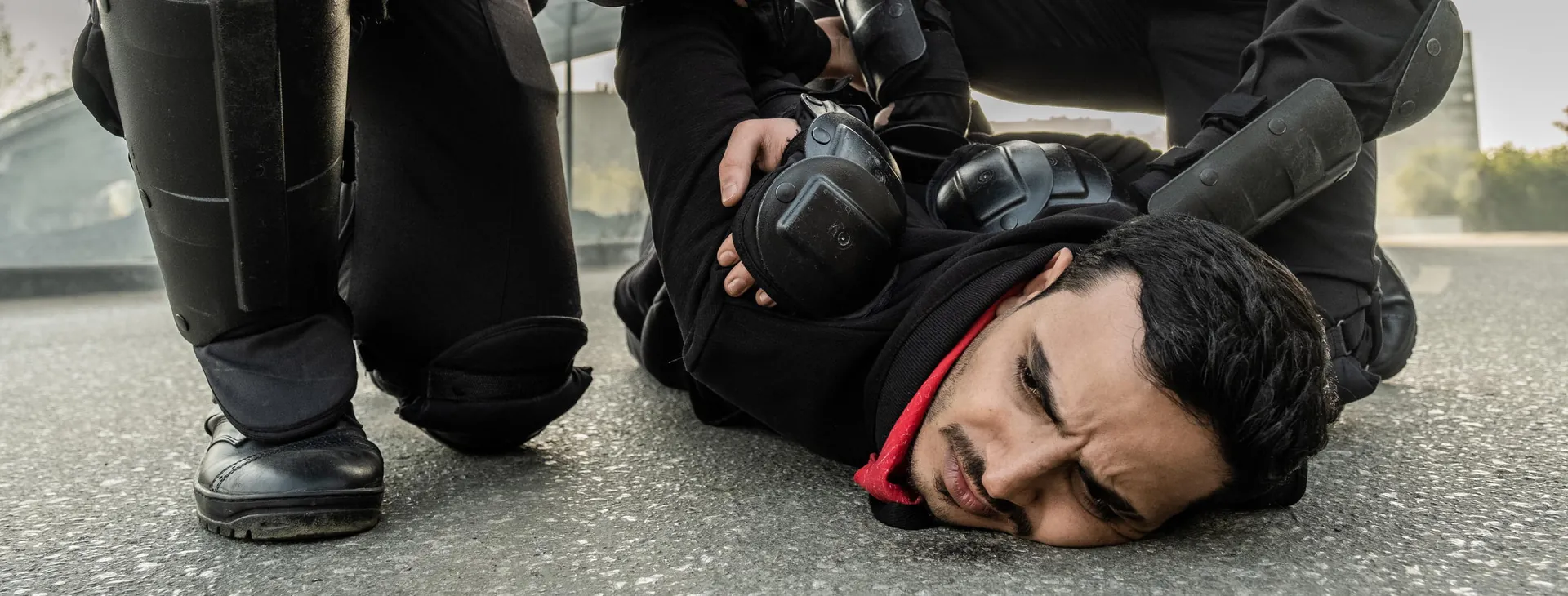
Unfortunately, some officers forget their training in the heat of the moment and do not act in accord with their training. The result is often the use of excessive force. At the Law Offices of Joel Silberman, LLC we strive ourselves on being able to assess how the police reacted under the circumstances and determine if indeed they acted with excessive force.
A person who is the victim of excessive force is entitled to monetary damages to compensate them for the injuries they have suffered.
From Our Articles
Recognizing Excessive Force
Instances of excessive force
- Physical force against a person already in custody and not resisting arrest
- Using a weapon against an unarmed person
- Using threats to force a person into providing information or confessing
- Repeated force, or a weapon, when a person is already subdued
Evidence that matters
Video of the incident. Police officers are often believed over the person arrested, so video can decide the case.
A significant injury. Medical records showing a real injury carry weight - although a serious injury alone does not win a case if the force is found to be reasonable.
Compensation
You May Have a Right to Compensation
You may be entitled to significant compensation for the violation, injury or death that you or a loved one suffered because of excessive force by law enforcement officers - and you may also seek punitive damages from the person responsible.
When law enforcement is the violator, seeking justice is no easy task. People in positions of authority may not be as eager to listen to complaints of brutality by officers as they are to other complaints. You need a forceful, determined and experienced voice to make them take your case seriously.
Speak With Joel Silberman
Call Us to Get the Justice You Deserve
If you or a loved one has been physically hurt by a law enforcement officer, the Law Offices of Joel Silberman, LLC can help you to pursue the justice you deserve. Call us at 201-420-1913 or email us at joel@joelsilbermanlaw.com.